
How Fall Can Affect Your Mental Health


Shorter Days, Different Moods
How Fall Can Affect Your Mental Health
Cooler mornings. Earlier sunsets. Changing routines.
Fall brings plenty of things people love — but as the days become shorter, you might notice something else changing too:
Your mood.
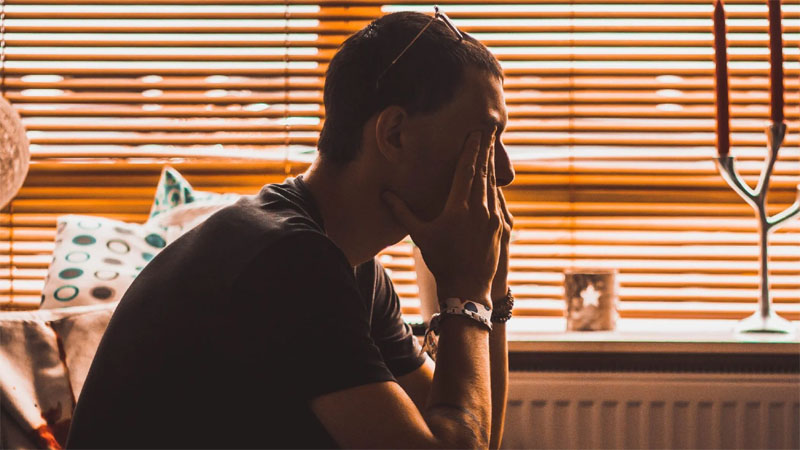
Maybe you're sleeping more. Maybe getting out of bed feels harder. Perhaps you're less motivated, more irritable, or simply don't feel quite like yourself.
Seasonal changes can have a very real influence on how we feel, sleep, think, and function.
☀️ Why Can Fall Affect Your Mood?
Our bodies have an internal clock known as the circadian rhythm, which helps regulate sleep, alertness, energy, and other daily biological processes.
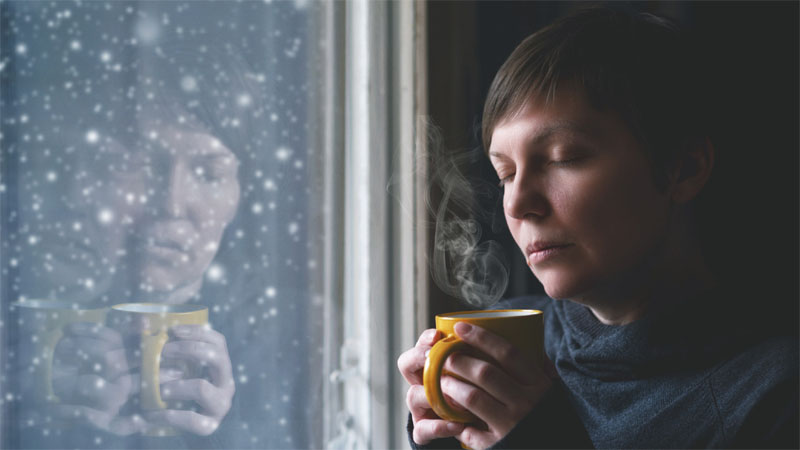
Natural light plays an important role in keeping that internal clock on track. As daylight decreases during fall and winter, changes in light exposure can affect our sleep-wake patterns, energy levels, and mood.
For some people, the difference is barely noticeable. For others, the transition into fall can bring a significant emotional shift.
What Should You Look For?
Seasonal changes can show up differently from person to person. You might notice:
- Increased fatigue or difficulty getting out of bed
- Changes in sleep or wanting to sleep longer
- Lower energy throughout the day
- Difficulty concentrating or feeling mentally foggy
- Increased sadness or irritability
- Changes in appetite
- Decreased motivation
- Wanting to isolate or spend less time with others
- Less interest in things you normally enjoy
An occasional difficult day doesn't necessarily indicate a mental health condition.
But when these changes continue, become more intense, or begin interfering with everyday life, they're worth paying attention to.
🍁 A Fall Slump… or Something More?
Feeling a little different as summer ends doesn't automatically mean you're experiencing depression.
However, some people experience a recurring seasonal pattern known as Seasonal Affective Disorder (SAD) — a form of depression that typically occurs during particular seasons, most commonly fall and winter.
Instead of asking only, “Why am I so tired lately?” consider a few broader questions:
Has my mood noticeably changed?
Am I losing interest in things I normally enjoy?
Is this affecting my work, school, relationships, or responsibilities?
Does this seem to happen around the same time each year?
If the answer to several of these questions is yes, talking with a mental health professional may help clarify what's happening.
🌿 Give Your Mental Health Some Fall Maintenance
Just as we adjust our routines when the seasons change, we can adjust how we care for our mental health.
Find the light.
Spend time outdoors during daylight hours when possible. Even incorporating a short daytime walk into your routine can help you stay connected to the natural light-dark cycle.
Protect your sleep.
Try to maintain consistent sleep and wake times instead of dramatically changing your schedule as the days become darker.
Keep moving.
Physical activity doesn't have to mean an intense workout. Walking, stretching, or simply getting outside can support overall well-being.
Stay connected.
When energy drops, isolating yourself can become tempting. Maintaining meaningful connections with friends, family, and your community can be especially important during seasonal transitions.
Check in with yourself.
Instead of automatically answering “I'm fine,” take a moment to ask:
How am I actually feeling lately?
A New Season Is an Opportunity to Check In
Fall reminds us that change is natural.

Sometimes a change in season also gives us an opportunity to notice changes within ourselves.
If your mood, sleep, motivation, anxiety, or ability to function has noticeably shifted, you don't have to wait until things become overwhelming before asking for help.
At Frame of Mind Clinic Psychiatry, we believe mental health care should feel compassionate, personalized, comfortable, and judgment-free.
Your mental health deserves attention in every season.
Ready to talk? We're here to listen.