
Understanding Isolation


Understanding Isolation: Why So Many People Struggle — and How to Find Connection Again
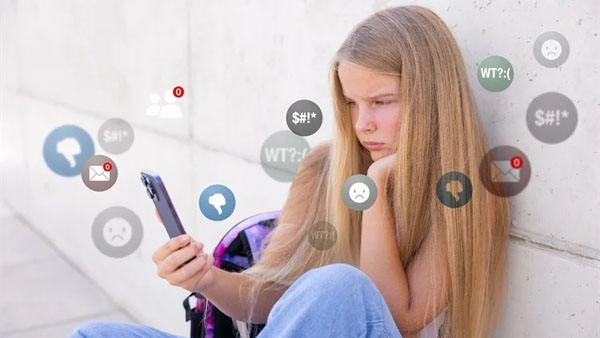
Isolation has become one of the most common — and least talked about — challenges affecting mental health today. Whether someone lives alone, works from home, feels disconnected in relationships, or struggles with social anxiety, isolation can quietly grow until it begins affecting mood, motivation, and overall well-being.
At Frame of Mind Clinic Psychiatry, we meet patients every day who say things like:
“I feel alone even when I’m around people.”
“I don’t want to isolate myself, but I don’t know how to change it.”
“The more I stay home, the harder it is to leave.”
If this sounds familiar — you are not alone, and you’re not “the problem.” Isolation is a human response to stress, anxiety, depression, trauma, or simply feeling overwhelmed. The important thing is recognizing it and taking gentle steps toward reconnecting.
🧠 Why Isolation Happens
Isolation isn’t always intentional. Often, it develops slowly:
- Depression or Anxiety
These conditions decrease energy, motivation, and confidence, making social interactions feel overwhelming.
- Feeling Misunderstood or Unsupported
People isolate when they feel unheard or emotionally unsafe.
- Life Transitions
New jobs, moves, breakups, grief, retirement, and empty nesting can all create sudden disconnection.
- Chronic Stress or Burnout
When the brain feels overloaded, it may “shut down” socially as a form of self-protection.
- Past Trauma
Patients with trauma histories may isolate to feel safe.
Isolation is not a personality flaw — it is a coping mechanism.
💔 How Isolation Affects Mental Health
Extended loneliness impacts the mind and body in profound ways:
- Increased risk of depression and anxiety
- Difficulty sleeping
- Low motivation and emotional numbness
- Increased irritability
- Overthinking and rumination
- Feeling disconnected from reality
- Higher stress levels and reduced resilience
It can also make people feel stuck in a cycle:
Isolation → Worse Mood → More Isolation
Breaking that cycle takes support, compassion, and gradual steps.
🌱 Signs That Isolation Is Becoming a Problem
You or someone you love may be struggling if they:
✔️ Avoid social situations they used to enjoy
✔️ Cancel plans frequently
✔️ Stay home for days with little interaction
✔️ Feel exhausted by communication
✔️ Struggle with self-care (showers, eating regularly, keeping routine)
✔️ Feel lonely even when around others
If these signs sound familiar, know that help is available — and healing is absolutely possible.
💬 What Patients Often Tell Us
Patients at Frame of Mind Clinic frequently share:
- “I want connection, but I don’t know where to start.”
- “I don’t feel like myself anymore.”
- “My world has gotten smaller.”
These are human experiences — not failures. With support, patients rebuild confidence and re-enter life at their own pace.
🌟 How to Start Breaking Out of Isolation (Gentle, Realistic Steps)
- Start Small — Really Small
Instead of trying to socialize for hours, begin with:
- A 10-minute walk
- Saying hello to a neighbor
- Calling one friend
- Going to a coffee shop for a few minutes
Small moments rebuild emotional stamina.
- Create Structure in Your Day
Isolation grows in the absence of routine.
Try:
- Waking up at a consistent time
- Getting outside once per day
- Scheduling simple activities
Routine = stability.
- Combine Social Connection With Comfort
Choose low-pressure interactions:
- Meeting one person, not a group
- Keeping visits short
- Choosing familiar places
This reduces anxiety while building confidence.
- Challenge the Negative Thoughts
Isolation often comes with thoughts like:
- “No one wants to talk to me.”
- “I’m a burden.”
- “I won’t enjoy it.”
Therapy helps replace these with balanced, realistic thinking.
- Seek Professional Support
Many patients need guidance to break this cycle.
Medications may help if depression, anxiety, or social anxiety are contributing.
Therapy helps rebuild self-esteem, challenge fears, and reconnect with life.
💙 How Frame of Mind Clinic Psychiatry Can Help
Our team provides:
- Compassionate, patient-centered care
- Evidence-based treatment for depression, anxiety, trauma, and social withdrawal
- Personalized medication plans
- Psychotherapy to address fear, avoidance, and loneliness
- Support for rebuilding meaningful connections
At our clinic, patients often tell us the same thing:
“I finally feel seen, understood, and supported.”

We meet you where you are — with kindness, no judgment, and a clear plan forward.
📞 You’re Not Alone — Reach Out When You’re Ready
If you’re struggling with isolation, please know this:
You deserve connection. You deserve support. You deserve to feel better.
Our team at Frame of Mind Clinic Psychiatry is here to guide you through every step.